The Maono Space Podcast Studio Is Finally Here.
For a long time, the stories of Kilifi have struggled to be told consistently. Not because the stories were missing, and certainly not because the storytellers lacked courage or creativity. The challenge has often been everything around the story itself.
For grassroots journalists and content creators, the barriers are familiar. Underfunded newsrooms, improvised recording setups, and the constant need to move from one location to another just to find a quiet place to record. The equipment overheats halfway through a session. Audio quality fails to capture the depth of a conversation. Cameras and editing tools are often limited. And behind all of this sits the constant pressure to hustle just to keep producing.
For independent creators, the journey has often meant funding their own production while still trying to build an audience from scratch. For journalists, it has meant navigating a rapidly changing media landscape while still holding on to the responsibility of telling truthful stories that matter to their communities.
At Maono Space, we have watched this struggle closely. Over time, we have seen brilliant ideas stall before they could fully take shape, not because they lacked vision but because the conditions around them made consistent storytelling difficult. Through conversations with creators and journalists in our community, we began to understand that sometimes what is needed is not just encouragement or motivation. Sometimes what creators need is infrastructure.
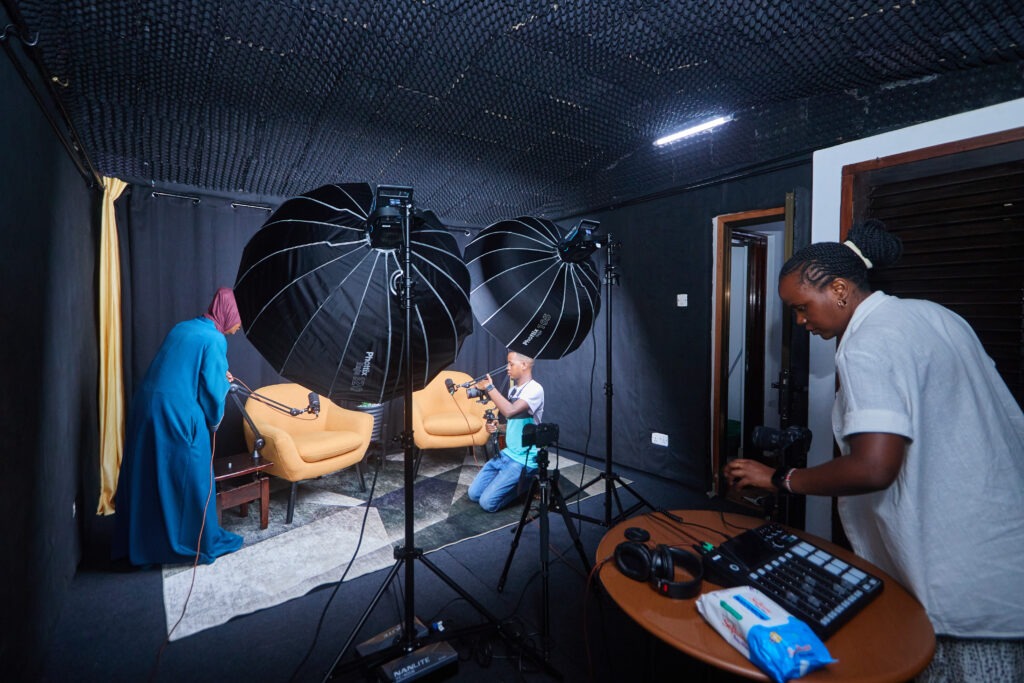
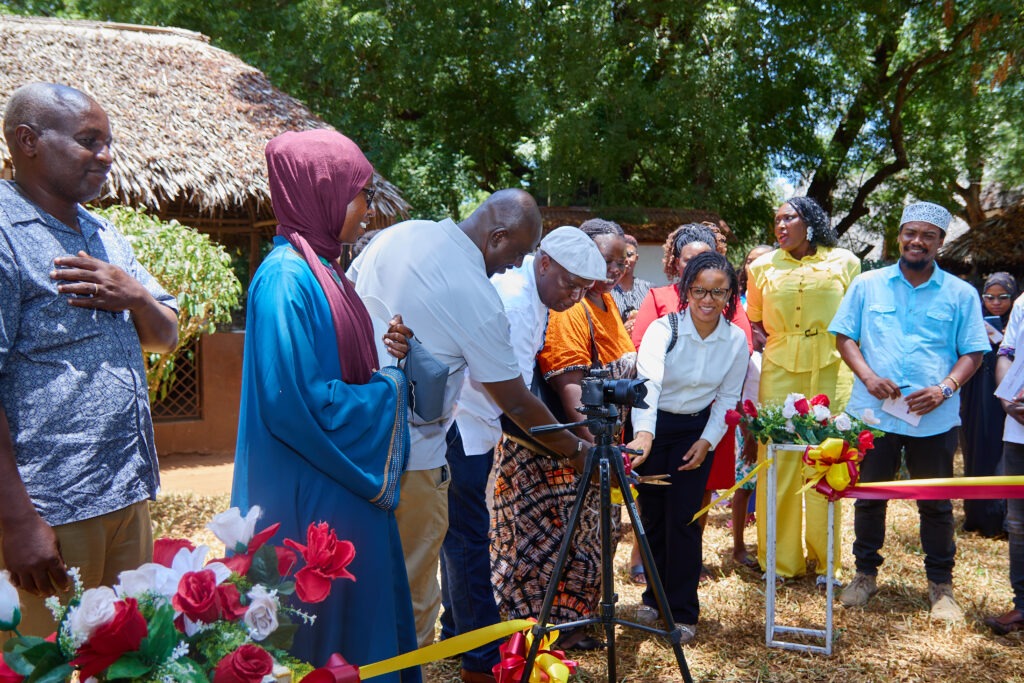
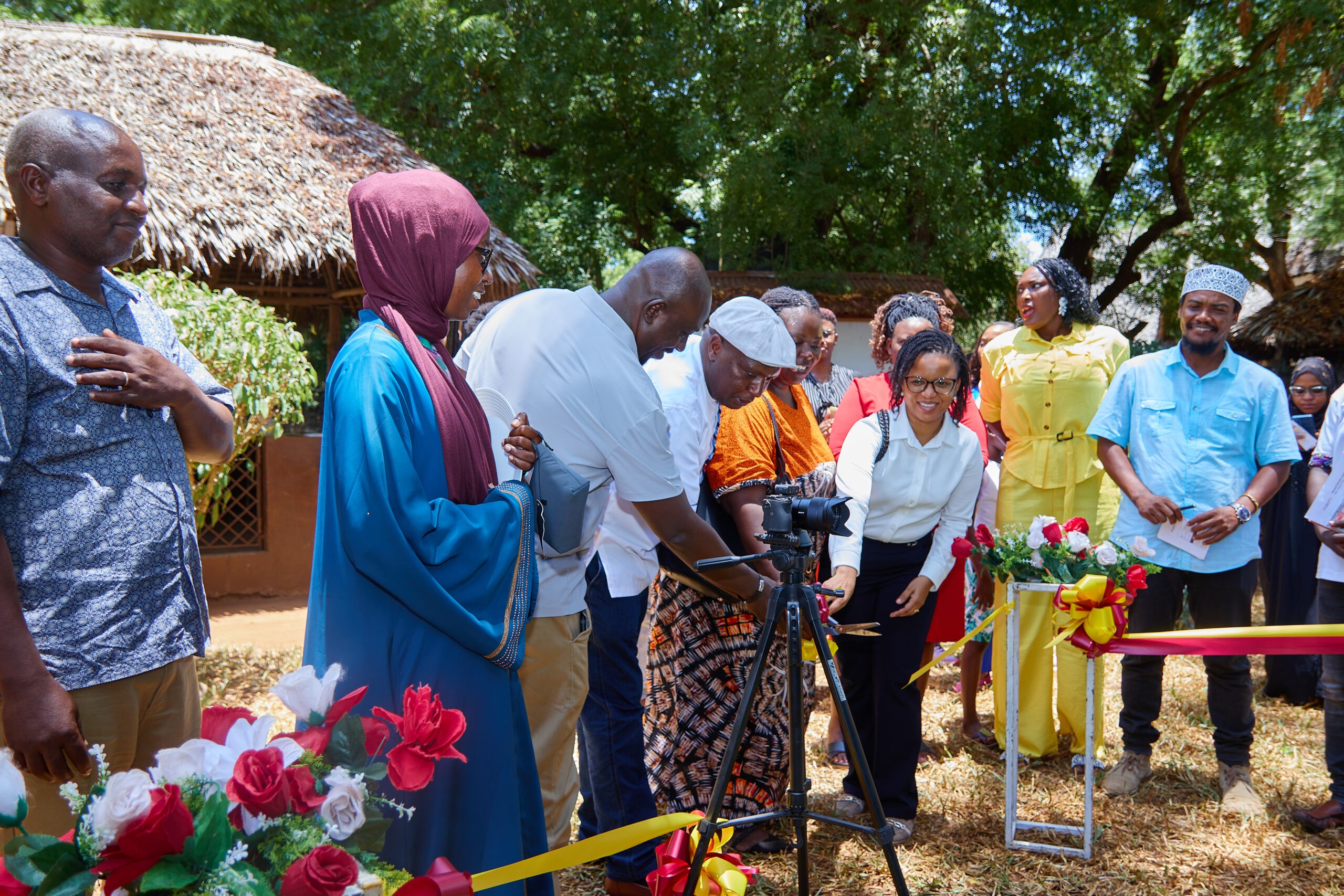
That understanding is what led to the launch of the Maono Space Podcast Studio in Malindi on February 25th, 2026.
This moment was not simply about opening a room filled with microphones and cameras. It was about creating a storytelling infrastructure designed to support grassroots creators and journalists so they can tell Kilifi’s stories with clarity, consistency, and the quality their work deserves. It was about removing some of the hurdles that have long slowed down important voices and giving creators a space where ideas can finally move from imagination into action.
A Launch Filled With Energy and Possibility
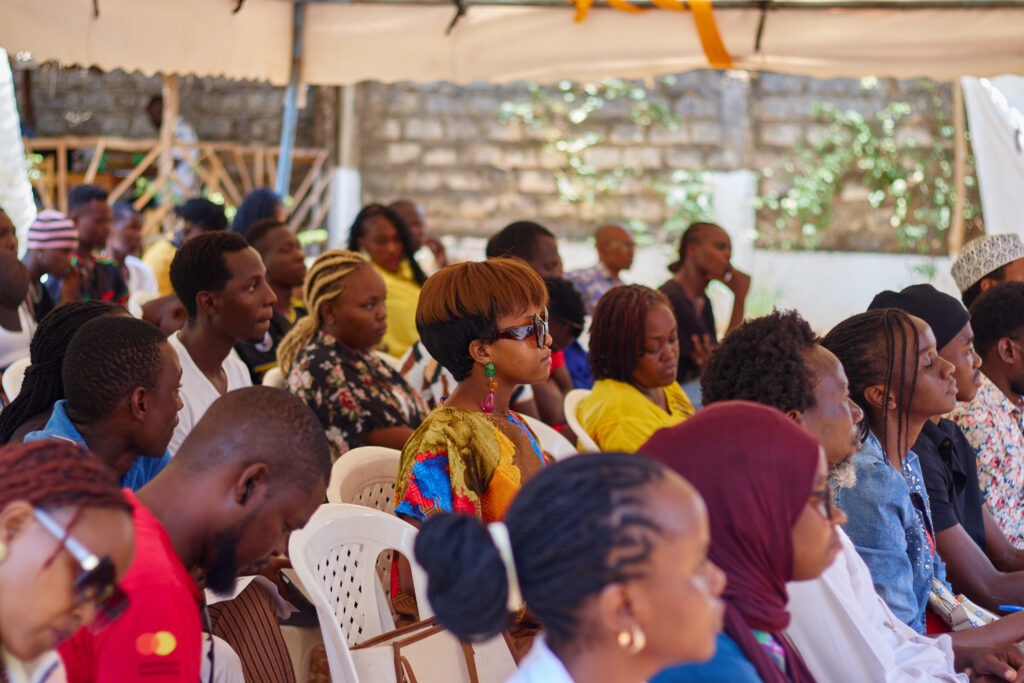
The day of the launch carried a palpable sense of excitement. From the moment people began arriving at Maono Space, there was curiosity and anticipation in the room. Creators stepped into the studio eager to see it up close. Some had interacted with the space during the soft launch period, but many were experiencing it for the first time.
Headphones were tested, microphones adjusted, and cameras examined. People looked around the studio, imagining the conversations that would soon be recorded there. In those moments, it became clear that this space meant something significant to the community of storytellers who had gathered there.
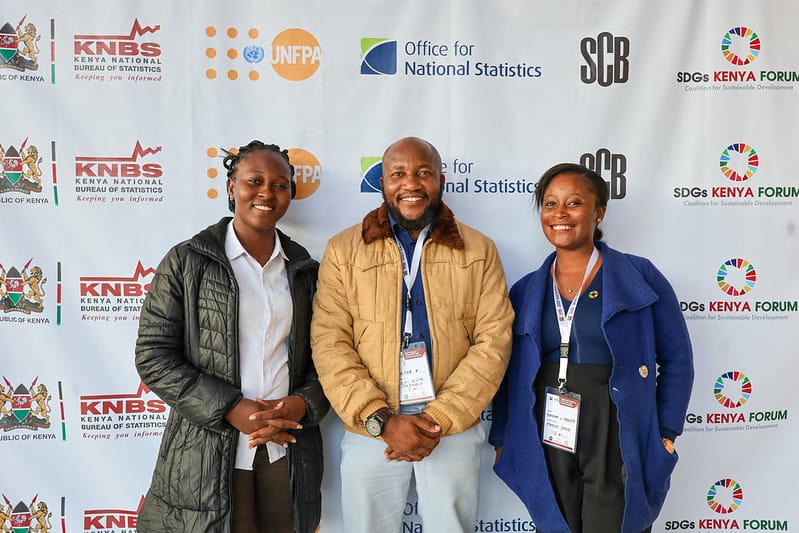
The launch brought together guests who understand the power of storytelling and ethical media in shaping society.
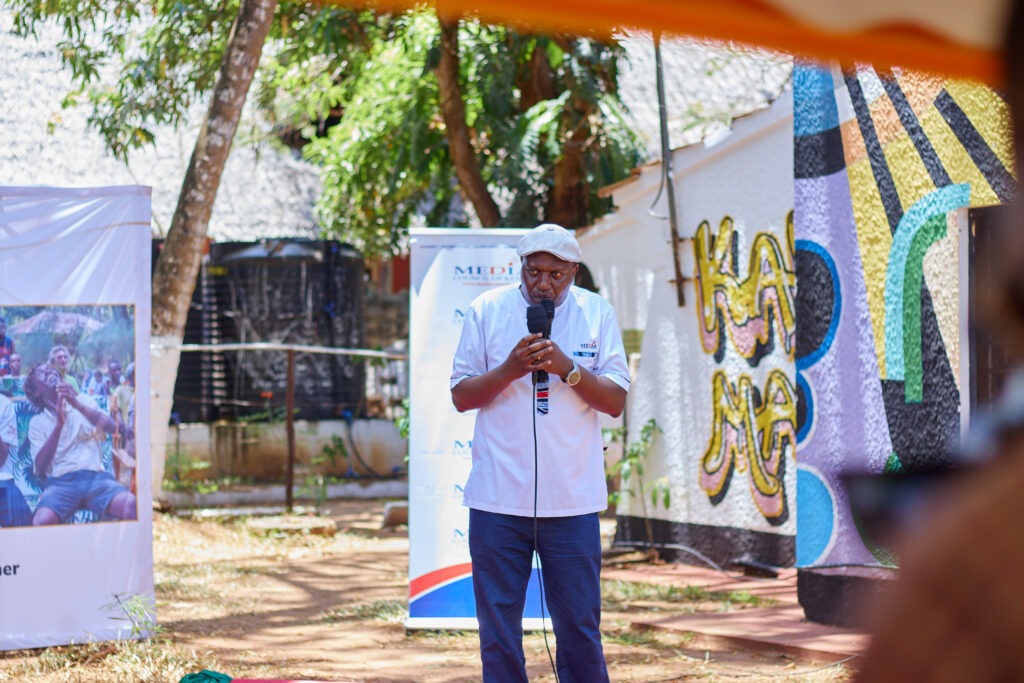
David Omwoyo, CEO of the Media Council of Kenya, spoke about how rapidly the media landscape is evolving. As traditional newsrooms restructure and many journalists face layoffs, he emphasised the growing importance of independent journalism and digital media platforms such as podcasting. He highlighted the Media Council’s initiatives to accredit freelance journalists, ensuring that even outside traditional newsrooms, journalists can continue practising ethical reporting while also exploring new ways to earn from their skills through digital platforms and social media.
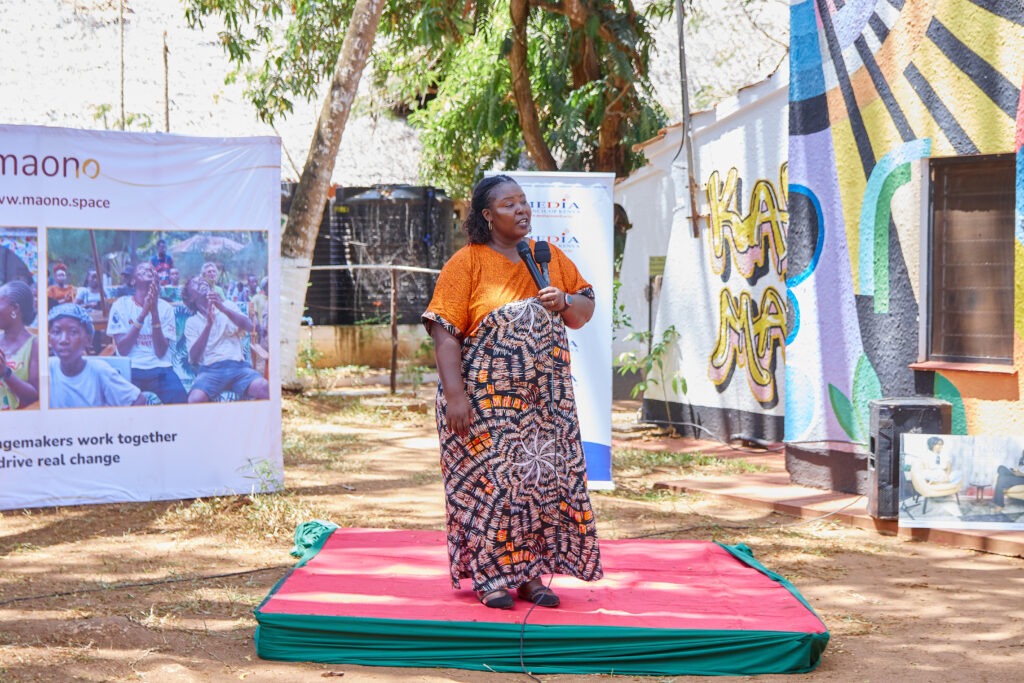
Sheila Masinde, Executive Director – Transparency International Kenya, challenged young creators to recognise the responsibility that comes with having a voice. She encouraged them to use platforms like podcasting to demand integrity, ask important questions, and actively participate in holding public institutions accountable in order to improve service delivery for citizens.
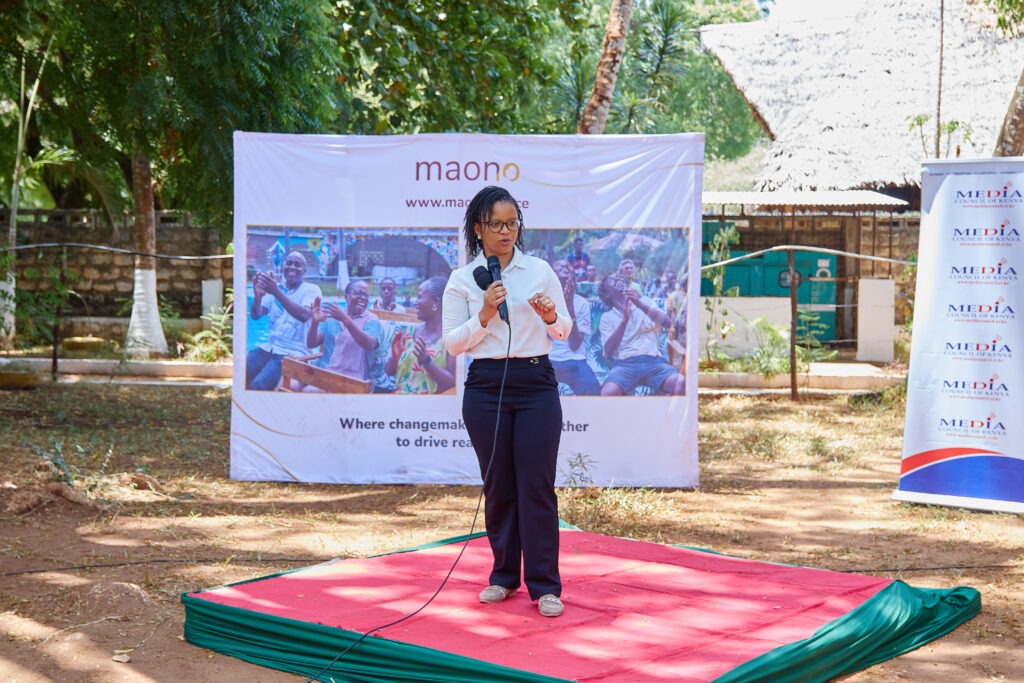
Winnie Luwali, Chief Officer for ICT, E-Government, Innovation and Library Services in Kilifi County, reflected on what the studio could mean for Kilifi’s growing digital economy. Drawing on Chimamanda Ngozi Adichie’s well-known idea of the danger of a single story, she reminded the audience that communities like Kilifi are often defined by narratives created elsewhere. The studio, she noted, offers a powerful opportunity for local creators to tell Kilifi’s stories in their own voice, presenting the complexity, creativity, and realities of the community in ways that challenge stereotypes.
One of the most memorable moments of the afternoon came when both Sheila Masinde and David Omwoyo expressed their interest in not just speaking at the event, but actually appearing as guests on some of the podcasts produced by Kilifi’s creators. It was a simple but powerful gesture that reflected the spirit of the space — a place where meaningful conversations can happen across different voices and perspectives.
From Dreaming to Doing
Today, if you walk into Maono Space, you will hear something remarkable: the sound of Kilifi’s future being recorded.
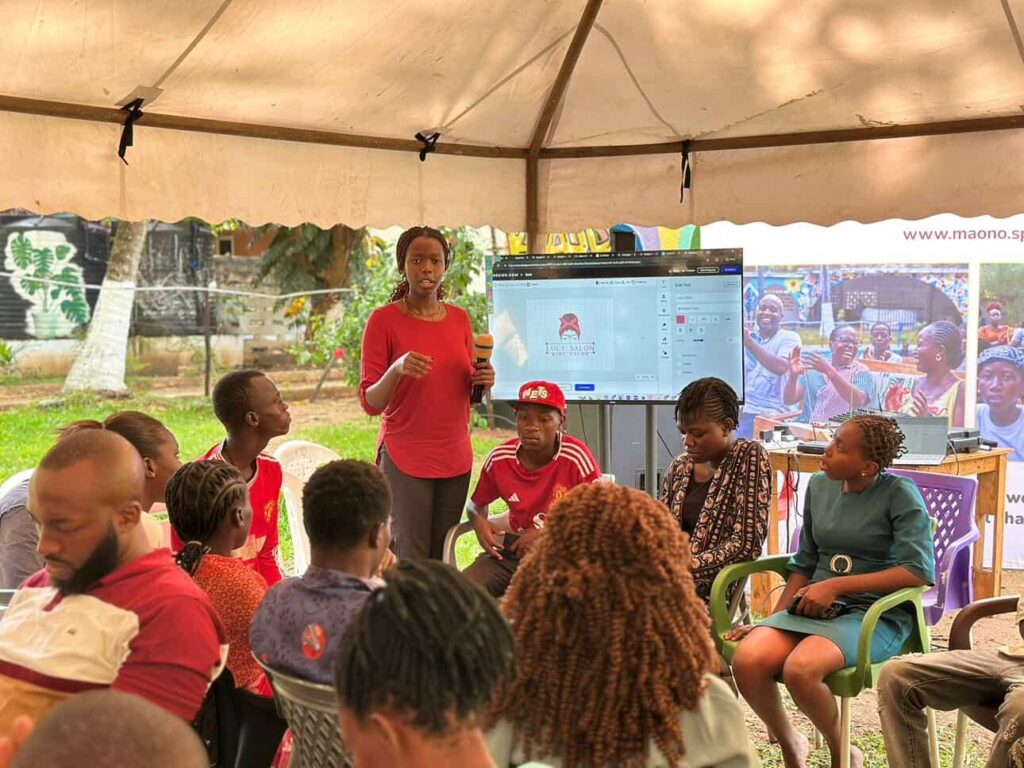
Creators who once only imagined starting a podcast are now stepping confidently into the studio and producing their shows.
Joy Ambale is finally bringing her idea to life with Coco With Joy, recording episodes in a space equipped with the resources she had been waiting years to access. Mdarisi Mdadisi, through his podcast Dadisi na Mdarisi, is already hosting conversations that hold local leaders accountable and encourage civic engagement within the community. Meanwhile, Francis Shaban of Shampuzi Media is seeing his production quality finally match the vision he has always had for his content — proof that grassroots storytelling does not have to mean low production value.
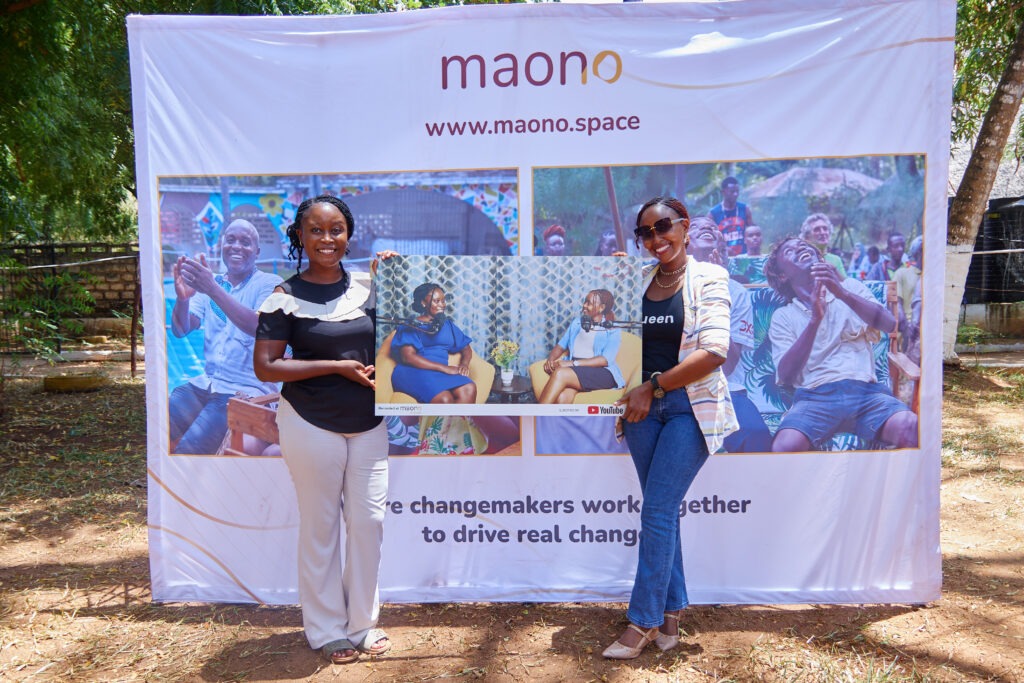
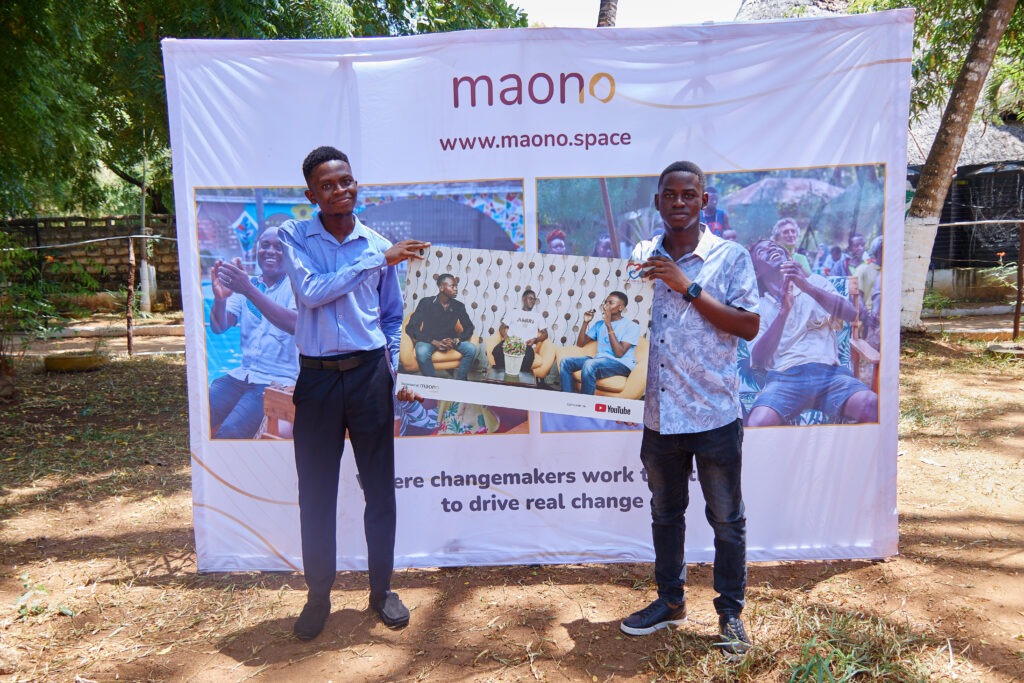
The studio is already buzzing with a range of voices and conversations that reflect the diversity of Kilifi’s experiences. Can’t Think Podcast is tackling conversations around women’s issues, while Na Siko Sawa Podcast is opening honest spaces to discuss mental health. Love Corner Show explores relationships, everyday life experiences, and the lessons people learn through them, while Fat Cheque Podcast brings new perspectives and bold discussions into the mix.
Together, these shows and many more to come are shaping a vibrant and growing storytelling ecosystem emerging from Kilifi.
A Platform for Community Voices
At Maono Space, our role is simple: we provide the platform. The calibrated microphones, the cameras, the acoustic panels, and most importantly, a safe and dignified space where grassroots creators and journalists can focus on telling meaningful stories.
This studio exists for storytellers. For journalists and investigators asking difficult questions. For poets, activists, and curious minds exploring ideas. And for dreamers who believe Kilifi’s stories deserve to travel far beyond the county.
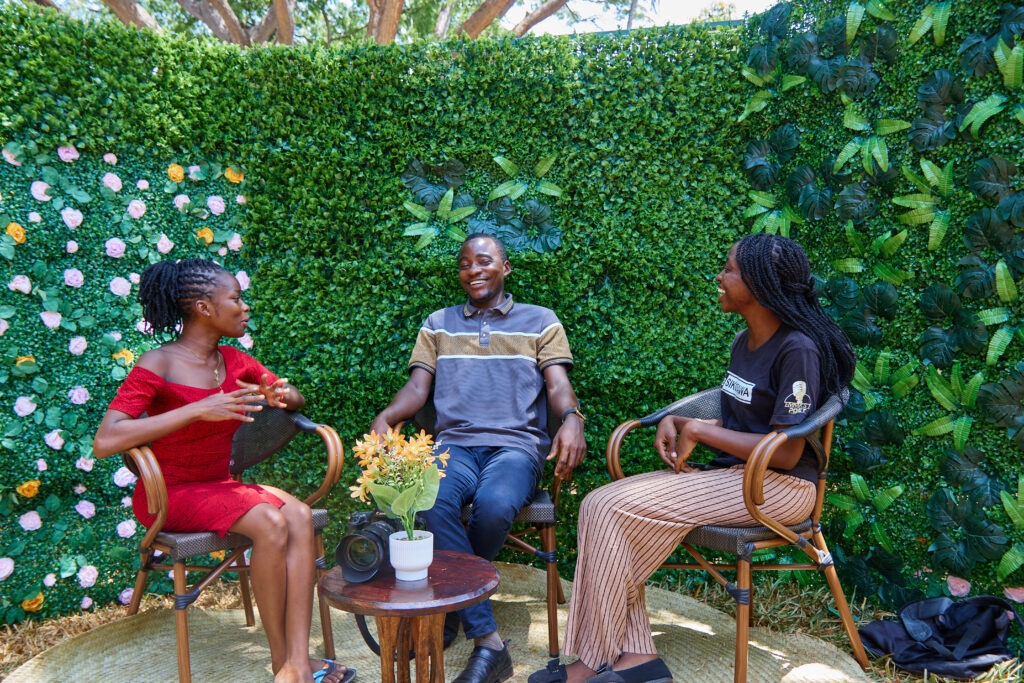
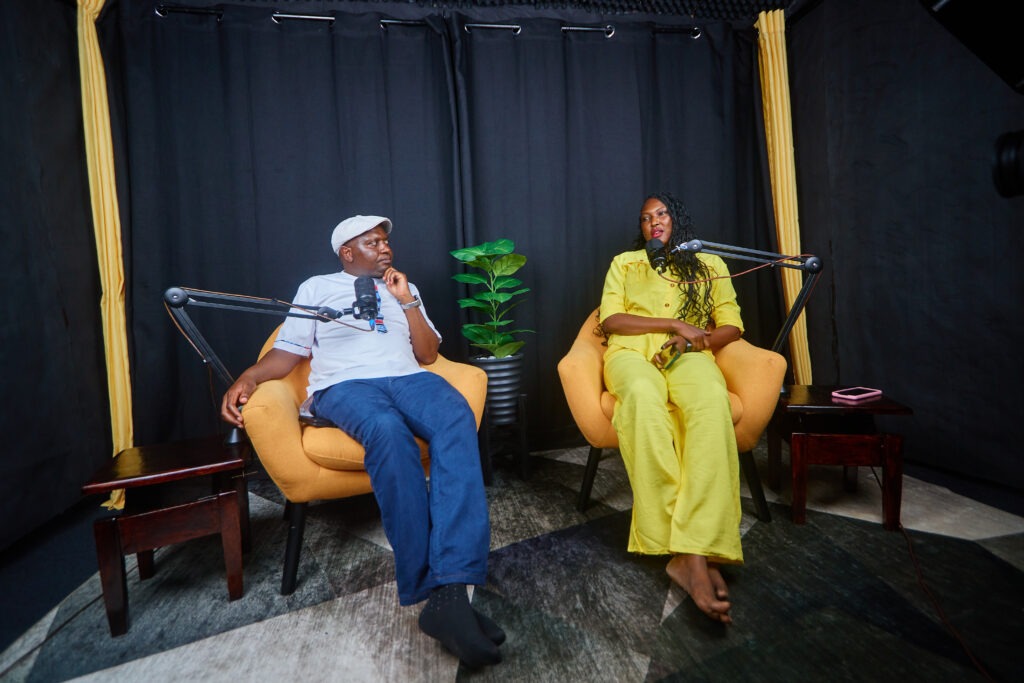
The conversations recorded here will go beyond entertainment. They will challenge stereotypes, shape narratives, strengthen civic dialogue, and contribute to the political and social conversations that shape our community.
Because when communities tell their own stories, they do more than inform.
They shape how the future is understood.
And now, Kilifi’s storytellers have a place to tell those stories from.
The studio is open, the microphones are on, and the stories are just getting started.